When people think about paint protection film, they picture the hood and bumper. Fair enough, that’s where most chips happen. But there are a handful of smaller spots that take steady, everyday damage, and because they’re small, they’re cheap to protect. These are five that often get skipped.
1:Mirror caps
Mirrors stick out into the airflow, so the forward-facing side of the cap catches stones and bugs just like the bumper does. They also get brushed in tight parking spots, drive-through lanes and car washes. Paint chips on mirror caps are very common, and on cars with body-colored mirrors they’re right in your line of sight every time you check them.
How to protect it: a pre-cut mirror cap piece. It’s small, but curved, so a little gentle heat helps the film follow the shape. Many people find mirrors a great first piece to practice on.
2:Door edges
Every time a door opens near a garage wall, a parking-lot pillar or another car, the painted edge is the first thing to make contact. Over time you get little chips and scuffs along the leading edge of each door, and they tend to rust if left untreated.
How to protect it: thin strips of film cut to follow the door edge. They’re nearly invisible, quick to install and they take the hit instead of the paint. Door edge guards are included in KitCutz Gold and Platinum kits. While you’re at it, the painted area around door handles collects fingernail scratches, and small pieces there are worth having.
3:Rocker panels and lower doors
Your front tires act like a sandblaster. They pick up grit, gravel and salt and throw them backward along the bottom of the car. Over a few winters, the rocker panels, the bottom of the doors and the area just in front of the rear wheels can lose their gloss and pick up a rash of small chips. You often don’t notice until you wash the car in spring and run a hand along the bottom.
How to protect it: rocker and lower door pieces, which are part of extended coverage like Platinum. Mud flaps help too. If you drive gravel roads or deal with long salt seasons, this is the area to think about after the front end.
4:The rear bumper loading area
This damage doesn’t come from the road. It comes from you. Groceries, luggage, strollers, sports bags, coolers and the dog all get slid across the top of the rear bumper on the way in and out. On SUVs, crossovers and wagons in particular, the top surface of the rear bumper ends up scuffed and scratched within a year or two.
How to protect it: a rear bumper top piece. It’s one of the most practical pieces of film on a family vehicle, and it’s fairly flat, so it’s an easy install.
5:The trunk or tailgate lip
The painted lip around the trunk or liftgate opening gets touched constantly during loading. Bags, boxes and hands rub the same spot hundreds of times a year. On pickups, the top of the tailgate takes similar abuse from cargo and tools.
How to protect it: a piece along the lip or tailgate edge, depending on the body design. Coverage here varies a lot from vehicle to vehicle, so check the panel list for your car.
A few more small spots worth a look
- Headlights. Lenses get pitted and hazy from road grit. Film keeps them clear and is one of the easiest pieces to install.
- Door handle areas. Rings, keys and fingernails scratch the paint around handles every day.
- The charge port or fuel door. Opened constantly, often with gloves on in winter.
- The leading edge of the rear wheel arches. On many cars this spot takes the worst of the grit thrown by the front tires.
- Pickup bed rails and side steps. On trucks, cargo and boots do steady damage here.
At a glance
| Panel | What damages it | Install difficulty |
|---|---|---|
| Mirror caps | Stones, bugs, brushing in tight spaces | Easy to moderate |
| Door edges | Opening doors into walls, pillars and cars | Easy |
| Rockers and lower doors | Grit, gravel and salt from your own tires | Moderate |
| Rear bumper loading area | Groceries, luggage, gear | Easy |
| Trunk or tailgate lip | Constant loading contact | Easy to moderate |
Tips for installing small pieces
Small pieces are forgiving, but they have their own quirks.
- Use a bit more slip solution than feels necessary. Small pieces can grab quickly.
- On curved pieces like mirror caps, anchor the center first, then work outward with gentle heat.
- Door edge strips are easiest with the door slightly open so you can see both sides of the edge.
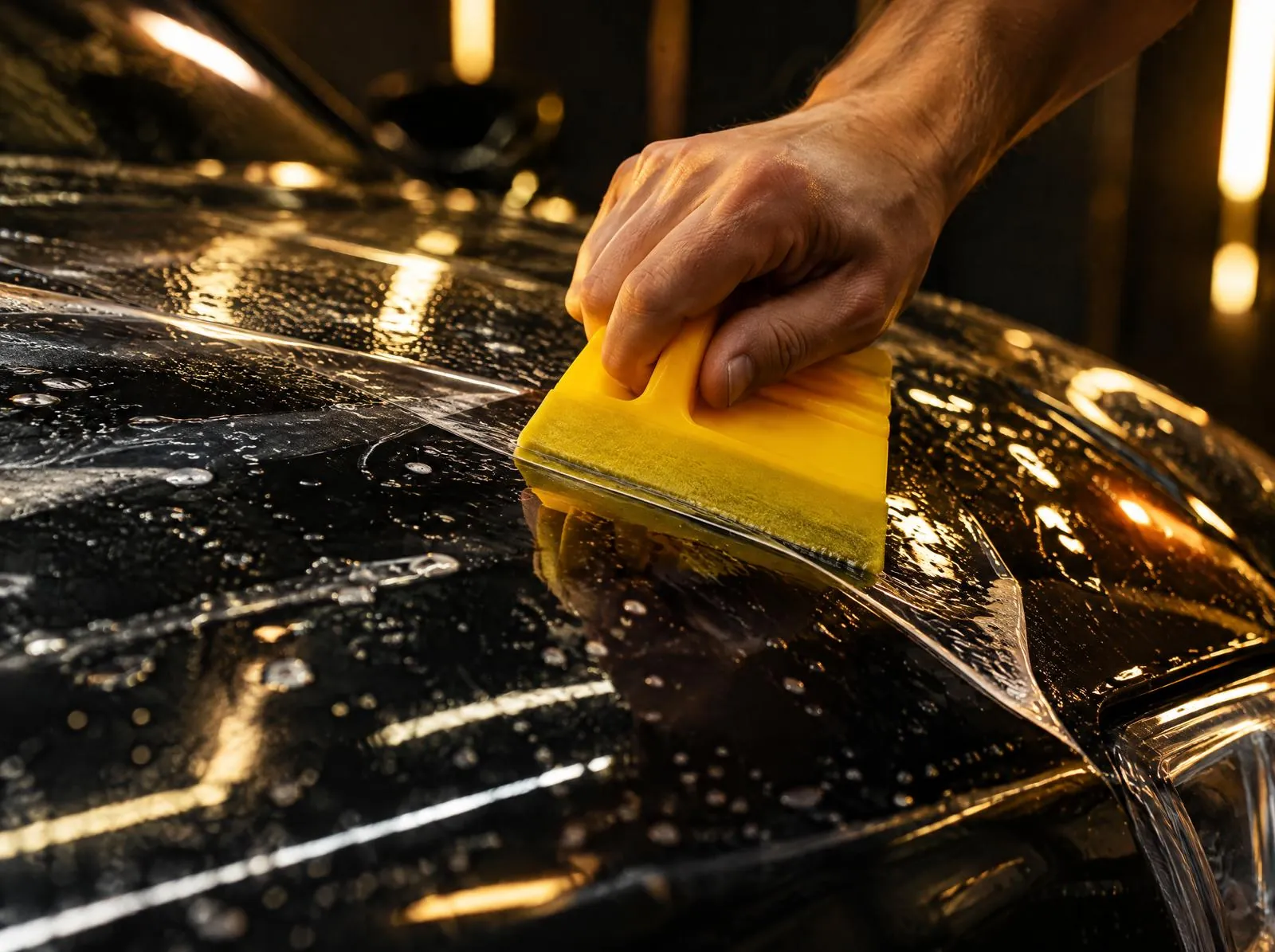
- Give edges an extra pass with a microfibre-wrapped squeegee after a few minutes.
- Wait the full cure time before running a hand or a wash mitt along the edges.
Match protection to your routine
Think about how you use the car, rather than buying coverage by percentage. A highway commuter in a sedan cares most about the front end and mirrors. A family hauling hockey gear needs the rear bumper and door edges. Someone at the end of a gravel road needs the rockers. Ask which individual panels are included before you pay, and pick the package that covers your real weak spots.
Not sure which package covers what? Compare them on the coverage page, or read full front vs full body.
Quick answers
Are door edge guards worth it?
Usually, yes. They’re inexpensive, almost invisible and they stop the small chips that appear when doors touch walls, pillars and other cars.
Should I put PPF on my rocker panels?
If you drive gravel roads or deal with long salt seasons, rockers are the next priority after the front end. Your own tires throw grit and salt at them constantly.
What is the easiest PPF piece to install first?
Door edges, mirror caps and the rear bumper loading area are good first pieces: small, and forgiving while you get used to the film.
Find the right kit for your Tesla
Every KitCutz kit is pre-cut for your exact year and trim, and fitment is verified before you pay. Silver starts at $499 CAD, Gold at $699 and Platinum at $1,799.
Weighing up DIY kits? See how KitCutz compares.