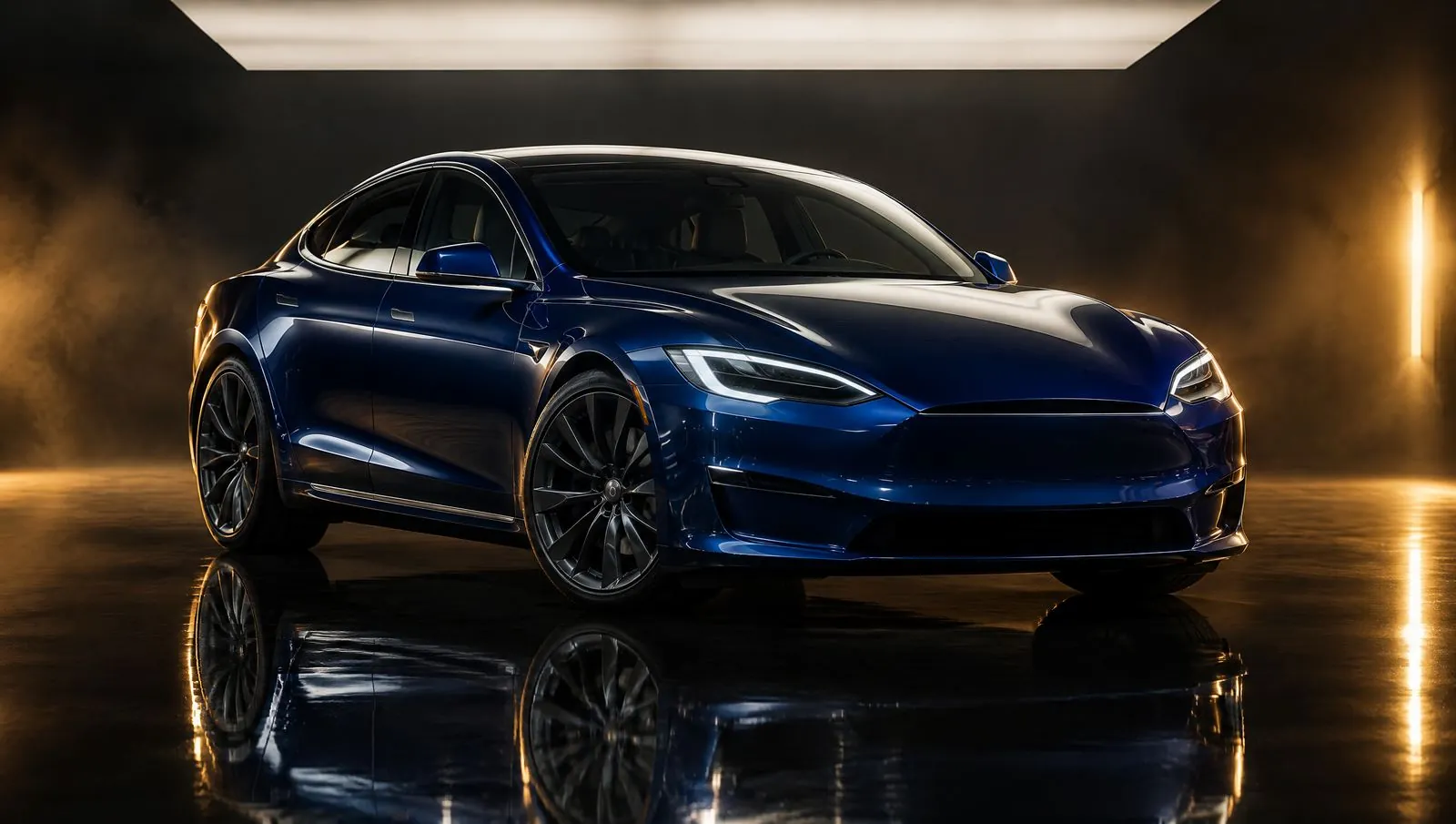
Every drive wears on your paint a little. A stone off a gravel truck on the 401. A winter of brine. A bird dropping that sat through a hot afternoon. The shopping cart that rolled two feet too far. Paint protection film is the most direct way to stop that damage before it reaches the clear coat. This guide covers what it is, what it is good at, where it falls short and whether it makes sense on your car.
What paint protection film actually is
Paint protection film, usually shortened to PPF and sometimes still called a “clear bra,” is a clear, flexible sheet of thermoplastic polyurethane (TPU) applied directly over your car’s paint. Most automotive films land somewhere between 6 and 10 mil thick, and 8 mil is a common middle ground. A mil is a thousandth of an inch, so you’re looking at roughly the thickness of two sheets of printer paper.
Installed properly, it’s very hard to spot. The car looks the same from the driveway. The difference is that stones, grit and scuffs now land on a layer you can replace, instead of on paint you can’t easily replace.
The idea isn’t new. Clear urethane film is commonly traced back to protecting helicopter rotor blades from sand and debris. Car films are thinner and far clearer than that early material, but the principle hasn’t changed: put something tough and replaceable in front of something expensive.
What’s inside a sheet of film
- Top coat. A thin, elastic clear layer on the surface. On quality films this is the part that heals light scratches and resists staining.
- Urethane body. The thick middle layer. It flexes and soaks up impacts.
- Adhesive. Built to hold firmly for years and still come off cleanly when it’s time to replace the film.
- Release liner. The backing you peel off just before a piece goes on the car.
How PPF protects your paint
The whole idea fits in one sentence: the film gets damaged so the paint doesn’t. In practice, a good film is doing three separate jobs.
It absorbs stone chips
Factory clear coat is hard but thin. When a stone hits it at highway speed, the energy has nowhere to go, and that’s how you end up with a chip down to primer. Urethane flexes. It spreads the hit out, and in most cases the paint underneath is untouched. Sometimes the film itself takes a small mark. That’s fine. That’s its job.
It heals light scratches
Quality films have a self-healing top coat. Fine swirls from washing, fingernail marks around door handles and light brushing scuffs tend to level out with heat. Sometimes that means a warm afternoon in the sun. Sometimes it’s warm water, or a heat gun on low held well back from the surface. Deep gouges won’t disappear, but the everyday marring that slowly dulls a car mostly does.
It shields the paint from stains and UV
Bird droppings, bug splatter, tree sap and road chemicals can all etch clear coat if they sit long enough. With film on, they’re sitting on the film instead. You still need to clean them off, but you’ve bought yourself time. Modern films are UV-stable too, which helps slow fading on sun-facing panels like the hood.
What PPF won’t do
This part matters, because most disappointment with film comes from expecting too much of it.
- It won’t stop a fender bender or a deep key scratch. It’s a thin layer, not armor.
- It doesn’t fix existing damage. Film goes over chips and scratches; it doesn’t fill them. Touch up or correct the paint first.
- It isn’t maintenance-free. You still wash the car. It just washes a little easier.
- It doesn’t last forever. Even good film is a wear item, measured in years rather than decades.
Where people usually put it
You don’t have to cover the whole car. Most damage comes at the car from the front, so that’s where most people start.
| Coverage | Typical panels | Who it suits |
|---|---|---|
| SilverPartial Front | Front of the hood and fenders, front bumper, headlights, mirror caps | Daily drivers who want the worst-hit spots covered for the least money |
| GoldFull Front | Full hood, full fenders, front bumper, headlights, mirrors, door edges | Highway commuters, newer cars, darker paint |
| PlatinumWhole Car | Everything in full front, plus doors, rockers, rear bumper, roof and more | Long-term owners and cars that see gravel, salt or heavy use |
If you’re stuck between options, our full front vs full body guide walks through the trade-offs, and the coverage page lists exactly what each package includes.
Does PPF change how the car looks?
Done well, hardly at all. Good gloss film is optically clear, and there are matte and satin films if you actually want to change the finish. Up close you can sometimes find the edge of a piece, especially on a partial hood where the film stops partway back. From normal viewing distance most people never notice. On dark gloss paint, a dirty car shows edges a bit more than a clean one.
Film’s bad reputation mostly comes from cheap material and rushed installs: a wavy “orange peel” texture, yellowing, lifted corners and dirt trapped under the edges. Film quality and install care decide the result more than anything else in this article.
DIY or professional installation
Going to a shop
A good installer brings experience, a clean controlled bay and usually a workmanship warranty. You hand over the keys and pick up a finished car. The trade-off is price. Depending on the car and the coverage, shop installs in Canada commonly run from around $1,500 for a partial front to well over $6,000 for a full body.
Doing it yourself with a pre-cut kit
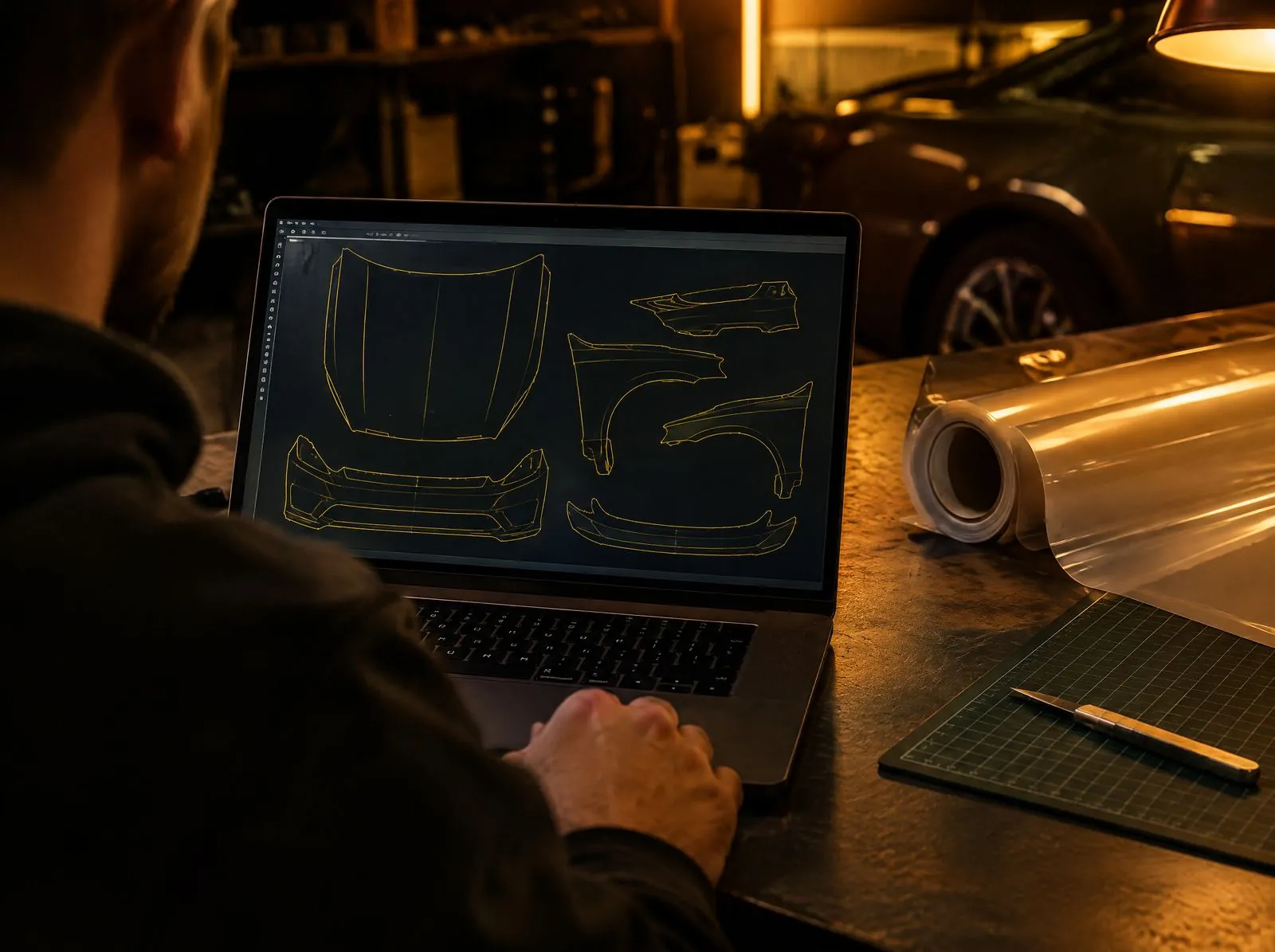
A pre-cut kit arrives with every piece already shaped for your make, model and year. You clean the panel, mist it with a slip solution so the film floats, slide the piece into position and squeegee the water out from the center toward the edges. Nothing gets trimmed on the car, so no blade goes near your paint.
There is a learning curve. It rewards patience, a clean space and good light, and it punishes rushing. If you’ve ever put a screen protector on a phone carefully, you already get the basic idea, just on a bigger and curvier surface. Most people start with something small like mirror caps or headlights and work up to the hood once they have a feel for how the film moves. Our guide to preparing your car for a DIY install covers the setup.
How long PPF lasts
A quality film that’s installed carefully and washed regularly usually lasts five to ten years. Along the way it shouldn’t yellow, crack or peel. If one piece gets damaged, you replace that piece rather than the whole kit. Canadian winters are harder on film than most places, so we wrote a separate guide on how long PPF lasts in Canada.
Is it worth the money?
Run the numbers for your own car. Repainting a single panel commonly costs $600 to $1,200 CAD, and a respray rarely matches factory paint perfectly. A KitCutz Silver kit starts at $499 CAD. If you plan to keep the car more than a couple of years, drive a lot of highway or just hate seeing chips on a new car, film tends to pay for itself. If you barely drive, or you’re handing back a short lease next spring, it may not. We go deeper in Is PPF still worth it in 2026?
What to look for in a film or kit
- Pre-cut for your exact year and trim, so nothing is trimmed on the car
- A self-healing top coat for wash marks and light scratches
- Good optical clarity, with no haze or heavy texture
- A real durability warranty from the film maker, typically five years or more
- Coverage that matches how you drive, instead of the biggest package
Quick answers
Can you see paint protection film once it’s on?
Not easily. Good gloss film is very clear. You may spot an edge up close, especially where a partial-hood piece ends, but from normal viewing distance most people can’t tell.
Can PPF be removed later?
Yes. Quality film is designed to come off cleanly years later. Warming it gently helps the adhesive let go, and any residue left behind can be cleaned off.
Can you wax or ceramic coat over PPF?
Use products made for film. Many owners add a PPF-safe ceramic coating on top for gloss and easier washing. Avoid cutting compounds and solvent-heavy waxes.
Find the right kit for your Tesla
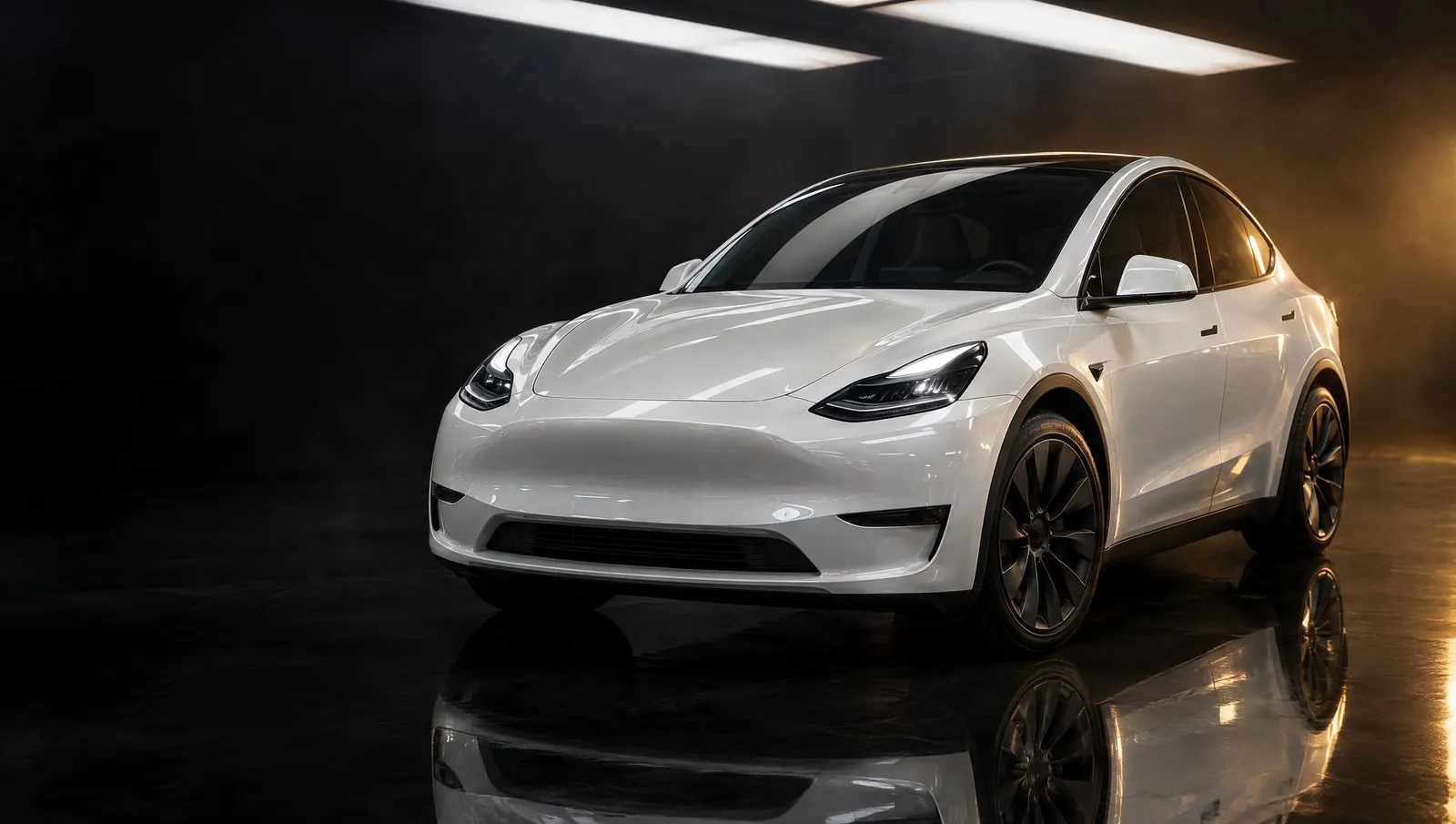
Every KitCutz kit is pre-cut for your exact year and trim, and fitment is verified before you pay. Silver starts at $499 CAD, Gold at $699 and Platinum at $1,799.
Weighing up DIY kits? See how KitCutz compares.